

Nanotechnology

Nanotechnology

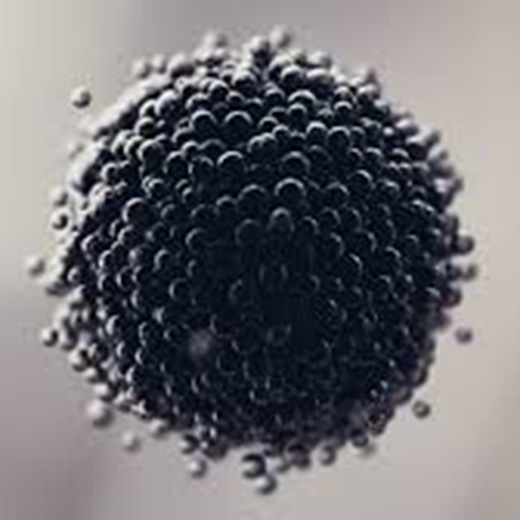
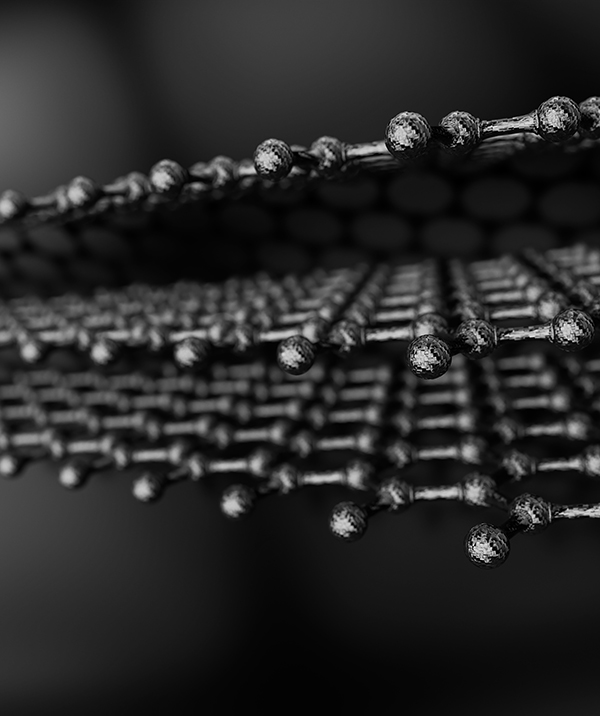
Nanotechnology research in our department similarly ranges in its diversity and extends from simulations to understand phenomenon at the nanoscale to the engineering processes for generating nanomaterials and nano-architectures.

Process engineering for functional nanomaterials is the theme underlying research activities pursued by Venugopal and coworkers. Novel processes for high throughput, room-temperature synthesis of noble metal nanoparticles have been developed based on an understanding of nanoparticle growth and aggregation mechanisms involved in standard batch protocols. These insights have been successfully extended for generation of functional nanostructured thin films using additive manufacturing approaches. Using a print-expose-develop process nanostructured conductive silver films have been formed on flexible substrates with an office inkjet printer. Product development efforts with the goals of point-of-use pesticide detection, low-cost electrocatalyst layers for proton exchange membrane fuel cells (PEMFCs), wearable electronics and ubiquitous sensing are being actively pursued.


Gupta and co-workers use population balance approaches to investigate the role of various mechanisms, such as nucleation, growth, coagulation, capping, and ripening of nanoparticles in influencing particle size distribution to develop better and efficient nanoparticle synthesis methods. Nucleation of metal nanoparticles mediated by organizer molecules is emerging as an alternative pathway. Novel technologies are being pioneered for high throughput synthesis of metal nanoparticles and semiconductor nanowires in large scales. Spinning disc spinning bowl reactor is an outcome of these efforts. Researchers in the Ayappa laboratory are applying molecular dynamics and Monte Carlo simulations to understand the structure and dynamics of fluids confined to the nanoscale.

Biomolecular Engineering

Biomolecular Engineering

The engineering of biological processes, spanning molecular to organismal scales, is crucial for solving critical issues in medicine and healthcare, as well as in energy and environmental sustainability.

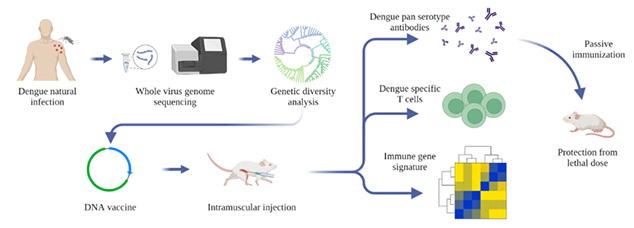
Our department employs a unique blend of theory, simulations, and experimental techniques for biomolecular engineering. Fully atomistic and coarse grained molecular simulations are being developed to derive fundamental insights into protein interactions underlying disease states, which help identify novel drug and vaccine targets. Sophisticated single molecule spectroscopic experiments have been set up to probe rare molecular interactions within living cells, allowing first-hand observations of events that cause development and disease. Novel microfluidic approaches like paper-microfluidics and lab-on-chip devices are opening new and affordable avenues for point-of-care diagnostics and revealing cellular/ tissue behaviour in in vitro models.

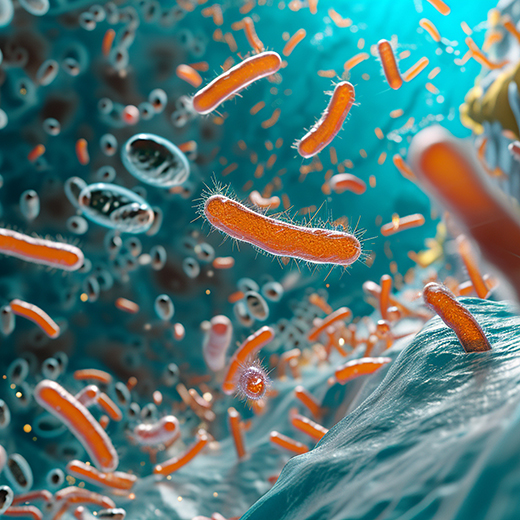
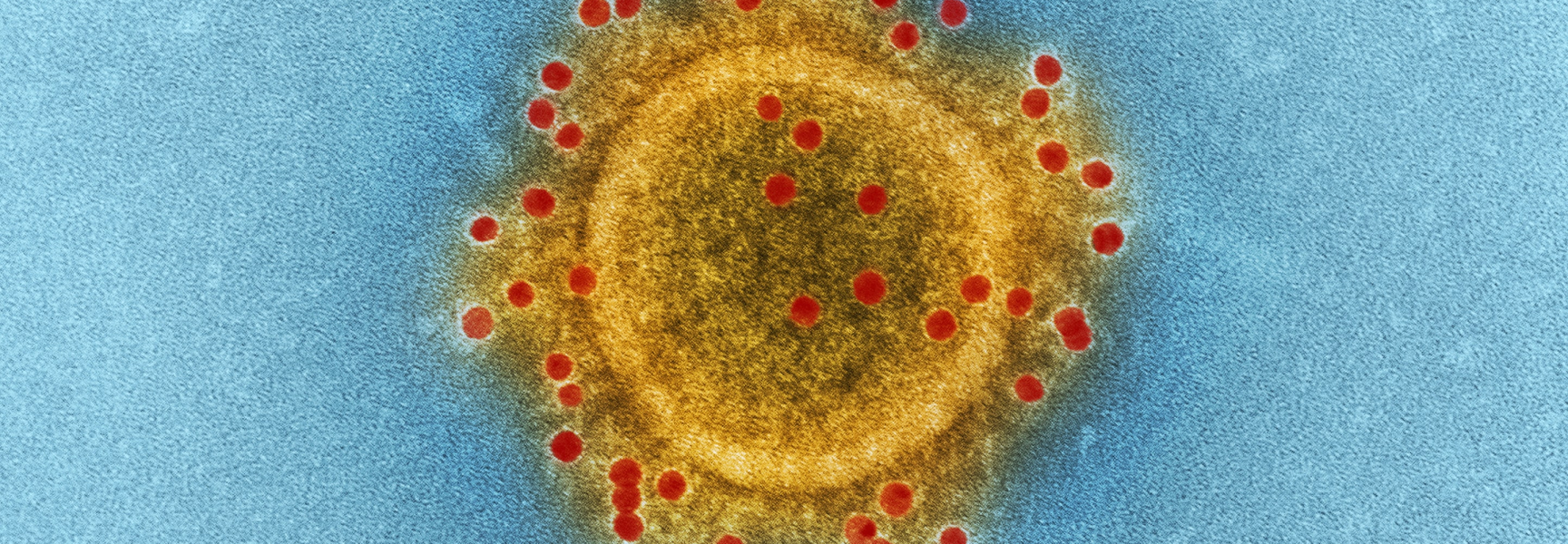
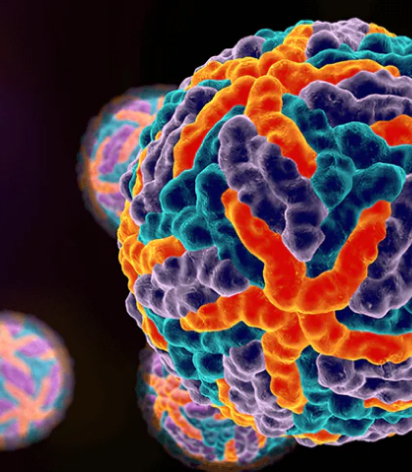
Modelling and simulations of viral dynamics and evolution coupled with single molecule experiments and data from patients, obtained in collaboration with clinicians, are being employed to unravel the origins of the failure of current treatments and to design more potent and economical therapeutic protocols. Reaction network theory and experiments on quorum-sensing are being used to understand cellular signalling events and emergent systems-level properties that viruses and bacteria manipulate to overcome our immune response, presenting new avenues for vaccine design.

Metabolic engineering of bacteria coupled with optimization and control techniques for bioreactors is being exploited to produce biofuels and degrade environmentally harmful effluents and waste. Our efforts thus synergize a broad spectrum of engineering and design techniques to achieve precise manipulation of biological phenomena for improved healthcare and sustainable development.