



Complex Fluids and Transport Processes

Complex Fluids and Transport Processes

From grains and processed foods, hygiene and cosmetic goods, and industrial products such as paints and slurries, complex fluids are widely encountered in our daily lives, in nature, and in industry. Despite their ubiquity, understanding of the flow and deformation of these materials is far from satisfactory, as their mechanics and statistics at the microscale are complex and not well understood.

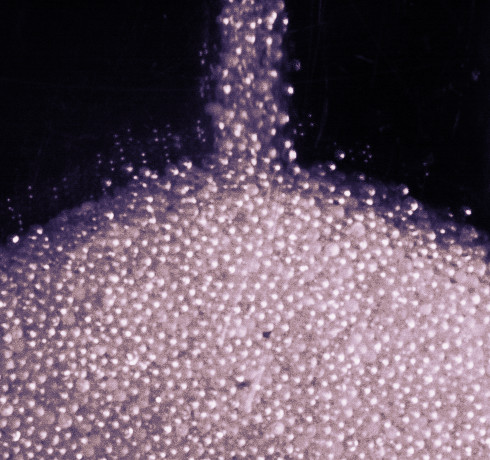
Granular or particulate flows is a strong area of focus in our department, with studies ranging from stress distributions in static assemblies, through dense slow flows, to rapid inertial flows. The methods of analyses include particle dynamics simulations, continuum models based on plasticity and kinetic theory, and rheometry and flow imaging experiments. Several novel results have emerged from our department. Recent research from the Nott laboratory illustrate the presence of an anomalous stress distribution caused by a secondary flow in a cylindrical Couette device, and Kumaran and co-workers show the presence of an order-disorder transition due to base roughness in a rapid granular flow down an inclined plane. We have proposed continuum higher-gradient theories for slow and rapid flows to explain features that are not captured by the classical theories. We have recently determined by particle simulations the lift force on an object dragged through a granular medium, which has helped identify the origin of the lift.
Biomolecular Engineering

Biomolecular Engineering

The engineering of biological processes, spanning molecular to organismal scales, is crucial for solving critical issues in medicine and healthcare, as well as in energy and environmental sustainability.

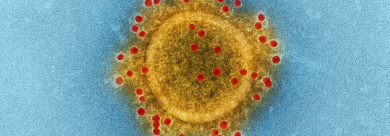
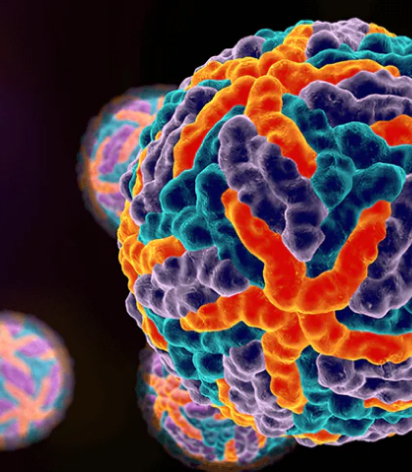
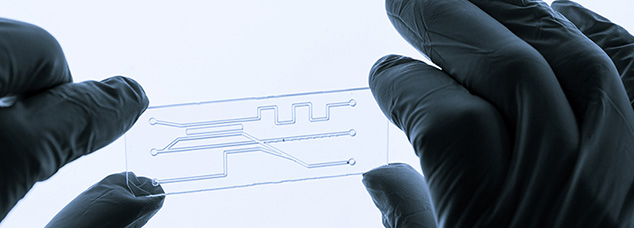
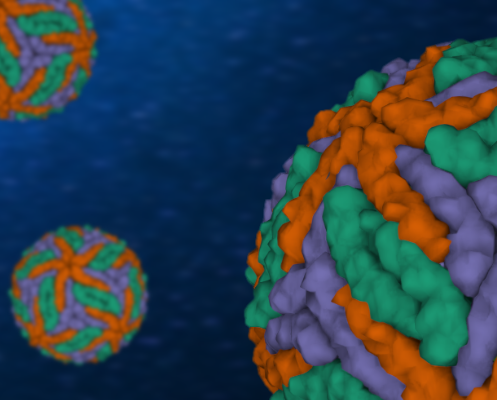
Our department employs a unique blend of theory, simulations, and experimental techniques for biomolecular engineering. Fully atomistic and coarse grained molecular simulations are being developed to derive fundamental insights into protein interactions underlying disease states, which help identify novel drug and vaccine targets. Sophisticated single molecule spectroscopic experiments have been set up to probe rare molecular interactions within living cells, allowing first-hand observations of events that cause development and disease. Novel microfluidic approaches like paper-microfluidics and lab-on-chip devices are opening new and affordable avenues for point-of-care diagnostics and revealing cellular/ tissue behaviour in in vitro models.

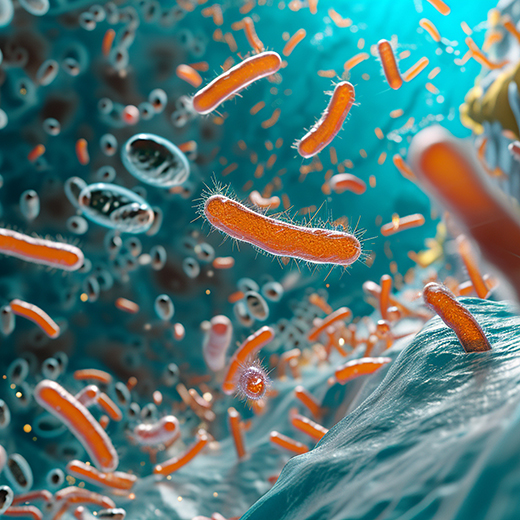
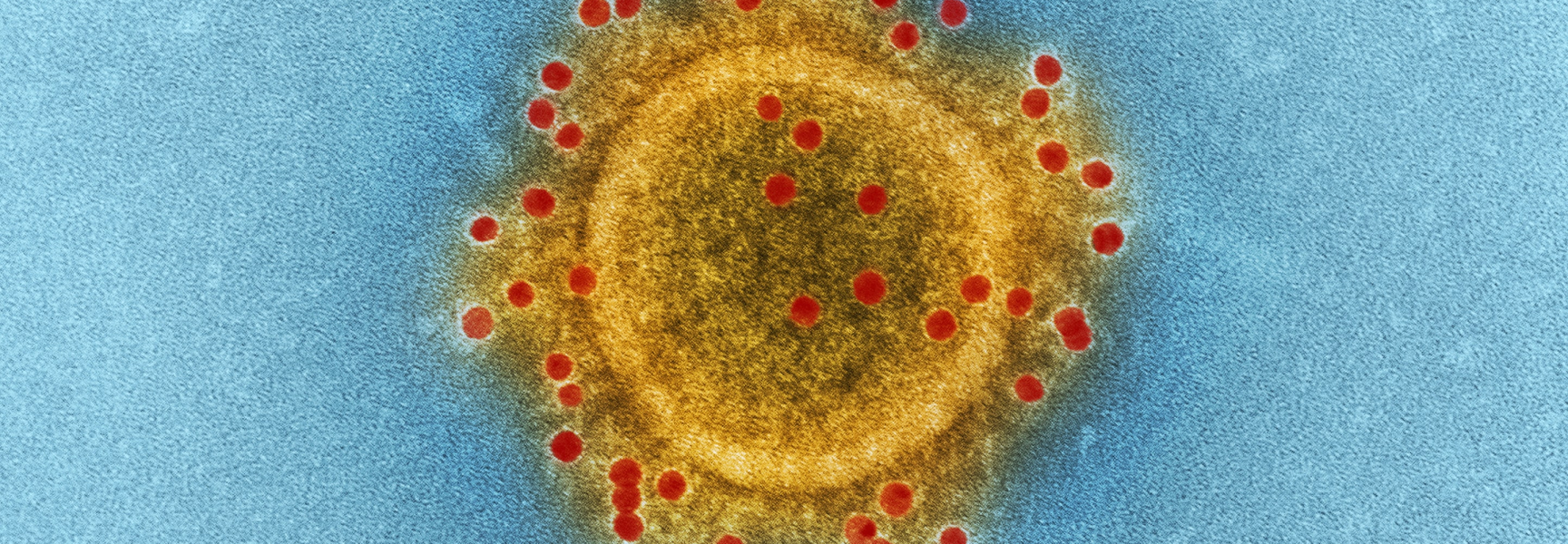
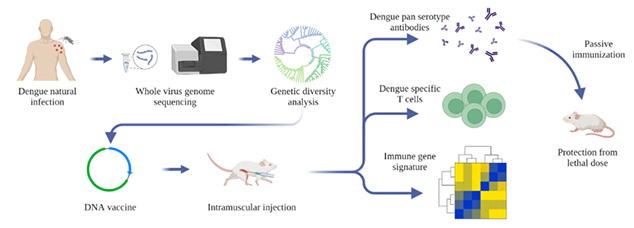
Modelling and simulations of viral dynamics and evolution coupled with single molecule experiments and data from patients, obtained in collaboration with clinicians, are being employed to unravel the origins of the failure of current treatments and to design more potent and economical therapeutic protocols. Reaction network theory and experiments on quorum-sensing are being used to understand cellular signalling events and emergent systems-level properties that viruses and bacteria manipulate to overcome our immune response, presenting new avenues for vaccine design.

Metabolic engineering of bacteria coupled with optimization and control techniques for bioreactors is being exploited to produce biofuels and degrade environmentally harmful effluents and waste. Our efforts thus synergize a broad spectrum of engineering and design techniques to achieve precise manipulation of biological phenomena for improved healthcare and sustainable development.