



Colloids and Interface Science

Colloids and Interface Science

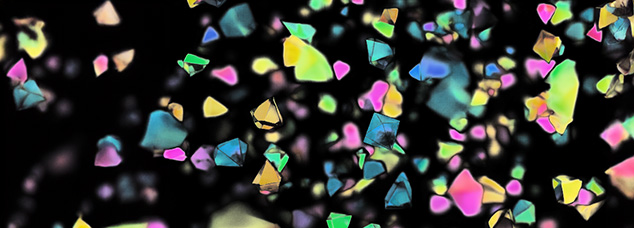
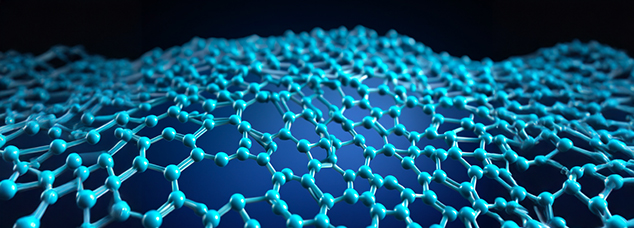
Our department has earlier contributed richly to the understanding of bubble and drop formation at orifices, foam bed contactors/reactors, physical demulsification, and breakup and coalescence of drops in agitated dispersions. Researchers are currently engaged in investigating phenomena involving colloids and interfaces at the nanoscale.

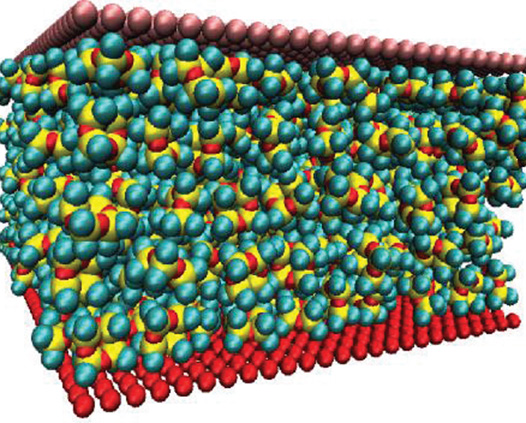
Drop breakup of industrially important but rheologically complex liquids in surrounding phases of similar complexity at high temperatures in currently practiced processes is the new focus of an industry collaboration in the Gupta laboratory. Synthesis of nanoparticles, nanowires, and nanorods, and formation of arrays and superlattices of nanoparticles  in Venugopal laboratory for a variety of applications are controlled by manipulation of colloidal interactions and nucleation of a new phase. The formation of monolayers and bilayers and modulation of their properties for lubrication and oral care applications through sub-nanoscale chemical substitutions is another focus area in the department.
Energy Science and Environment Research

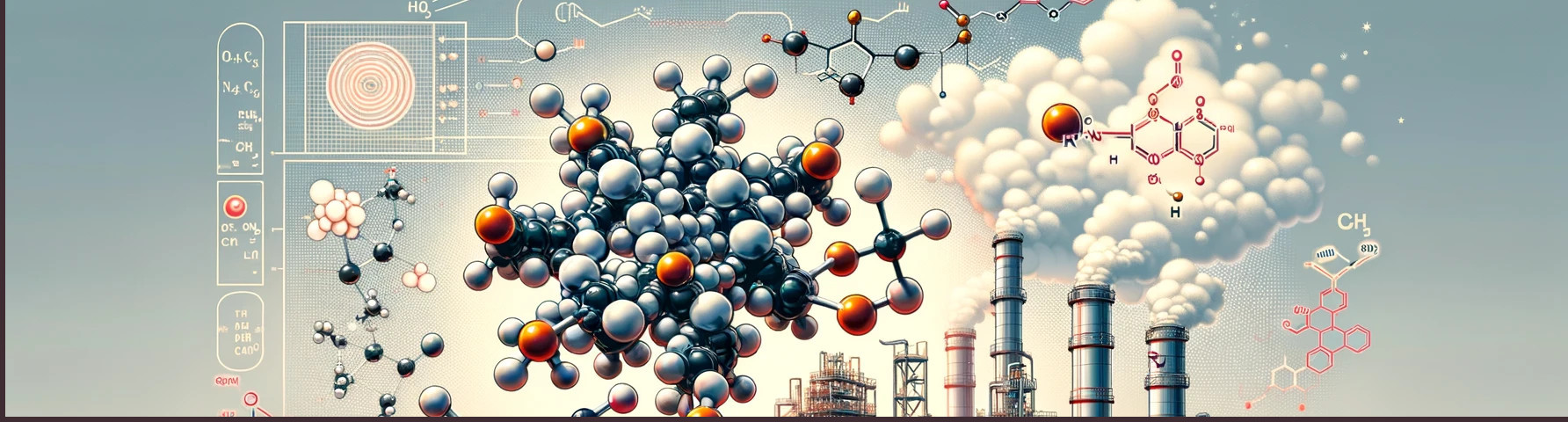
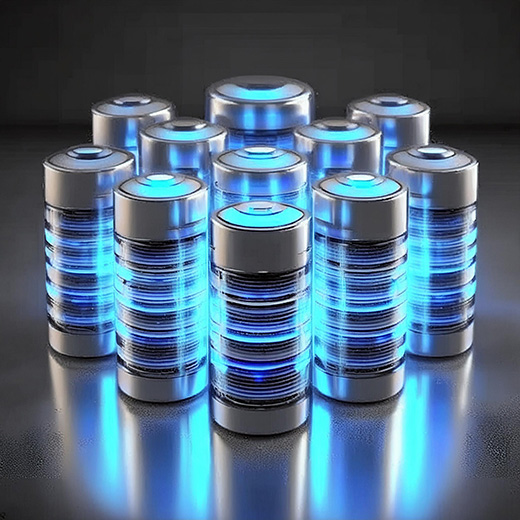
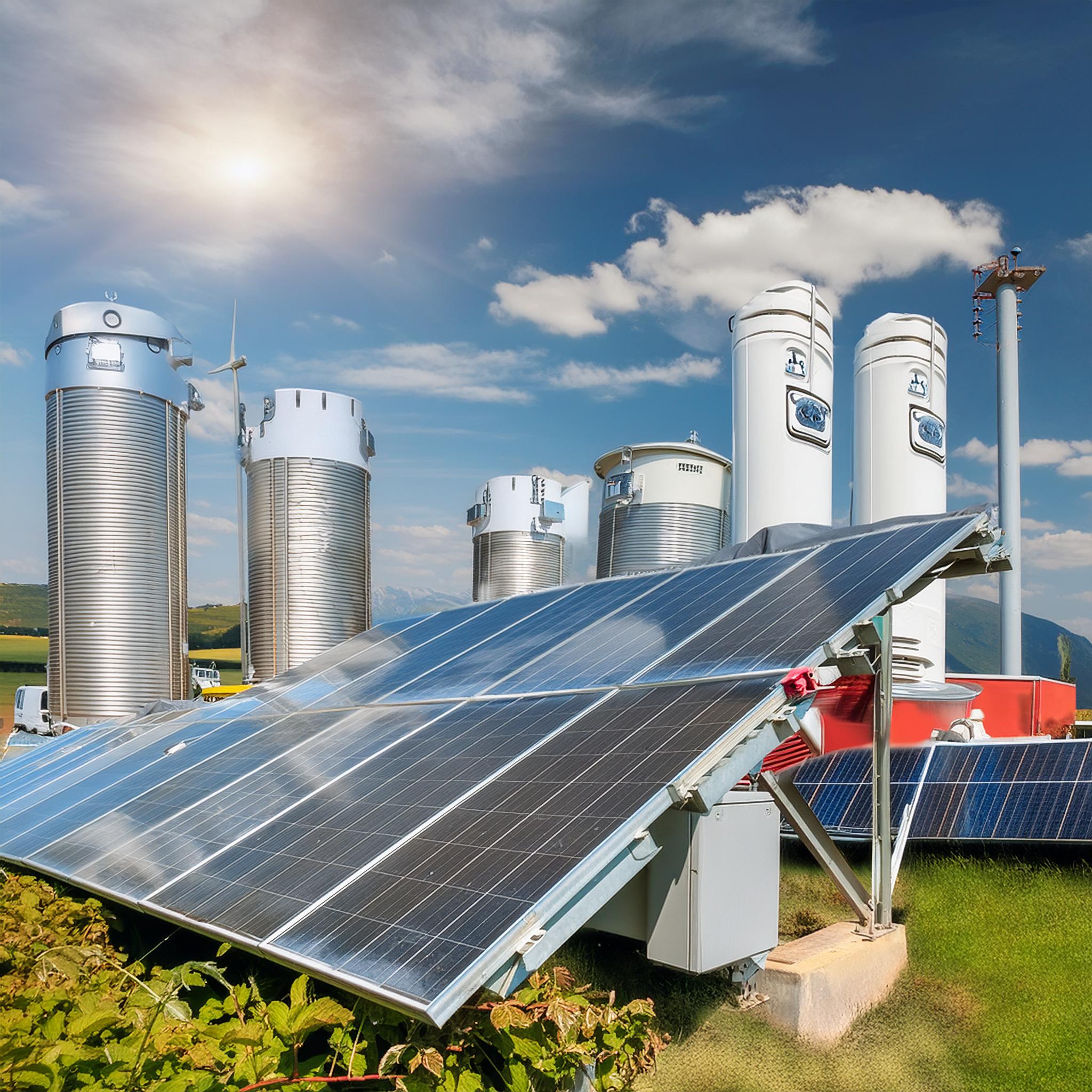
Several faculty are conducting pioneering research on renewable energy technologies and materials. This includes work on methane and natural gas storage using novel adsorbents, improving rechargeable flow batteries, and enhancing solar power collection efficiency. Additionally, they are developing methods for plastic waste degradation, pollutant removal from wastewater, and water treatment, with efforts towards low-cost solutions and environmental sustainability.

Faculty in the department are conducting pioneering research in energy science and engineering, focusing on developing new materials and processes for capturing and storing renewable energy. This includes innovative work on methane and natural gas storage using metal organic frameworks (MOFs) and covalent organic frameworks (COFs), as well as improving the design and performance of rechargeable flow batteries and super-capacitors. Collaborative projects have successfully tested onboard natural gas storage devices, and fundamental research on nanoparticle self-assembly is enhancing solar power collection efficiency. These efforts aim to provide sustainable and environmentally friendly energy solutions.

Modelling and simulations of viral dynamics and evolution coupled with single molecule experiments and data from patients, obtained in collaboration with clinicians, are being employed to unravel the origins of the failure of current treatments and to design more potent and economical therapeutic protocols. Reaction network theory and experiments on quorum-sensing are being used to understand cellular signalling events and emergent systems-level properties that viruses and bacteria manipulate to overcome our immune response, presenting new avenues for vaccine design.

Metabolic engineering of bacteria coupled with optimization and control techniques for bioreactors is being exploited to produce biofuels and degrade environmentally harmful effluents and waste. Our efforts thus synergize a broad spectrum of engineering and design techniques to achieve precise manipulation of biological phenomena for improved healthcare and sustainable development.

Nanotechnology

Nanotechnology

Nanotechnology research in our department similarly ranges in its diversity and extends from simulations to understand phenomenon at the nanoscale to the engineering processes for generating nanomaterials and nano-architectures.

Process engineering for functional nanomaterials is the theme underlying research activities pursued by Venugopal and coworkers. Novel processes for high throughput, room-temperature synthesis of noble metal nanoparticles have been developed based on an understanding of nanoparticle growth and aggregation mechanisms involved in standard batch protocols. These insights have been successfully extended for generation of functional nanostructured thin films using additive manufacturing approaches. Using a print-expose-develop process nanostructured conductive silver films have been formed on flexible substrates with an office inkjet printer. Product development efforts with the goals of point-of-use pesticide detection, low-cost electrocatalyst layers for proton exchange membrane fuel cells (PEMFCs), wearable electronics and ubiquitous sensing are being actively pursued.

Gupta and co-workers use population balance approaches to investigate the role of various mechanisms, such as nucleation, growth, coagulation, capping, and ripening of nanoparticles in influencing particle size distribution to develop better and efficient nanoparticle synthesis methods. Nucleation of metal nanoparticles mediated by organizer molecules is emerging as an alternative pathway. Novel technologies are being pioneered for high throughput synthesis of metal nanoparticles and semiconductor nanowires in large scales. Spinning disc spinning bowl reactor is an outcome of these efforts. Researchers in the Ayappa laboratory are applying molecular dynamics and Monte Carlo simulations to understand the structure and dynamics of fluids confined to the nanoscale.

Catalysis and Reaction Kinetics

Catalysis and Reaction Kinetics

Using knowledge from catalytic chemistry, reaction mechanisms, reaction kinetics, and transport processes, researchers in the department are trying to improve on reactions that span nanoparticle synthesis to biomass conversion in reactors.

Our department has been leading efforts in designing and engineering improved steps for nanoparticle synthesis that are allowing us to develop new reactors/contactors to control nanoparticle mean size and polydispersity. Efforts are also ongoing to unravel systems level properties of complex cell signalling and transcription networks applying ideas from reaction network theory, with the goal of identifying novel drug targets and outcomes of intervention. Another key theme has been to understand the mineral-microbe interactions that can be utilized for bioprocessing of various industrial materials. Using detailed mathematical models for coupling multiphase transport phenomena and biochemical reaction kinetics in bioreactors, problems in bioleaching of minerals and ores, biological adsorption of toxic metals and biomethanation of biomass are being addressed.